Curating a Wonder-Full Summer
For many parents, summer brings a tremendous shift in responsibility. For some it is the balance of work schedules, childcare, camps or financial pressures. For others, it's navigating the long, unstructured days. Whatever the circumstances, the structure that the school year provides disappears almost overnight, leaving parents to create routines that keep children engaged, and active. Along with that responsibility comes an unspoken pressure: to make the most of every day, to create lasting memories, to make sure they don’t have too much screen time, that they go outside enough and to ensure they aren’t affected by the dreaded "summer slide."
From this pressure, a summer tradition began for our family- the summer bucket list. It was the summer our daughter finished kindergarten. With intense anxiety around the need to fill our days with purpose and productivity- to make sure she continued learning and practicing the skills while giving her a memorable summer-I created a list of places to go, things to do and tasks to learn. The summer bucket list tradition began. In all honesty, the list was really a way for me to manage the uncertainty that comes with transitioning from the predictability of school days to the openness of summer. While quietly I hoped the benefits she reaped from our enriched planned summer would show in those first few days back at school; as if the list was some sort of guarantee she wouldn’t fall behind while also somehow validating my parenting through a display of productivity.
I had turned summer into another achievement to measure with literal boxes to check. It was rigid and constricting to the natural ebbs and flows of the summer days. And I can only wonder whether she felt that pressure too. Did she notice that I quantified our summer by what we accomplished rather than how we experienced it together?
My intentions and practices have evolved over years of parenting, along with a deeper understanding of co-regulation, emotional well-being, and child development, and this specific family tradition that has completely changed how I think about what it means to have a wonder-full summer. I’ve come to realize that the summer offers another opportunity more valuable than perfectly planned days. It creates space for slower rhythms, simpler moments and stronger relationships. Research consistently shows that strong, responsive relationships with caregivers support emotional regulation, confidence, resilience, and overall mental health. Summer creates space for those relationships to deepen. It allows parents and children to experience one another outside the routines, deadlines, and scheduled activities that often define the school year. It offers time to build skills and emotional resilience that is not measured on report cards; emphasizing that emotional well-being and secure family relationships are valuable forms of growth alongside academics, rather than framing them as competing priorities.
As parents, if we begin to shift our attention away from our own fears and insecurities of not “doing enough”, towards the potential summer holds for rest, relationships and resilience, imagine how our interactions with our children begin to change. What if, instead of worrying what our children will lose academically, we prepare them emotionally to handle new situations and experiences. What if we focused less on enrichment and we left room for free play, boredom, rest and ordinary moments to encourage space for them to recover from the social, emotional and academic pressures of the school year? What if we followed their curiosities as an invitation to learn alongside them?
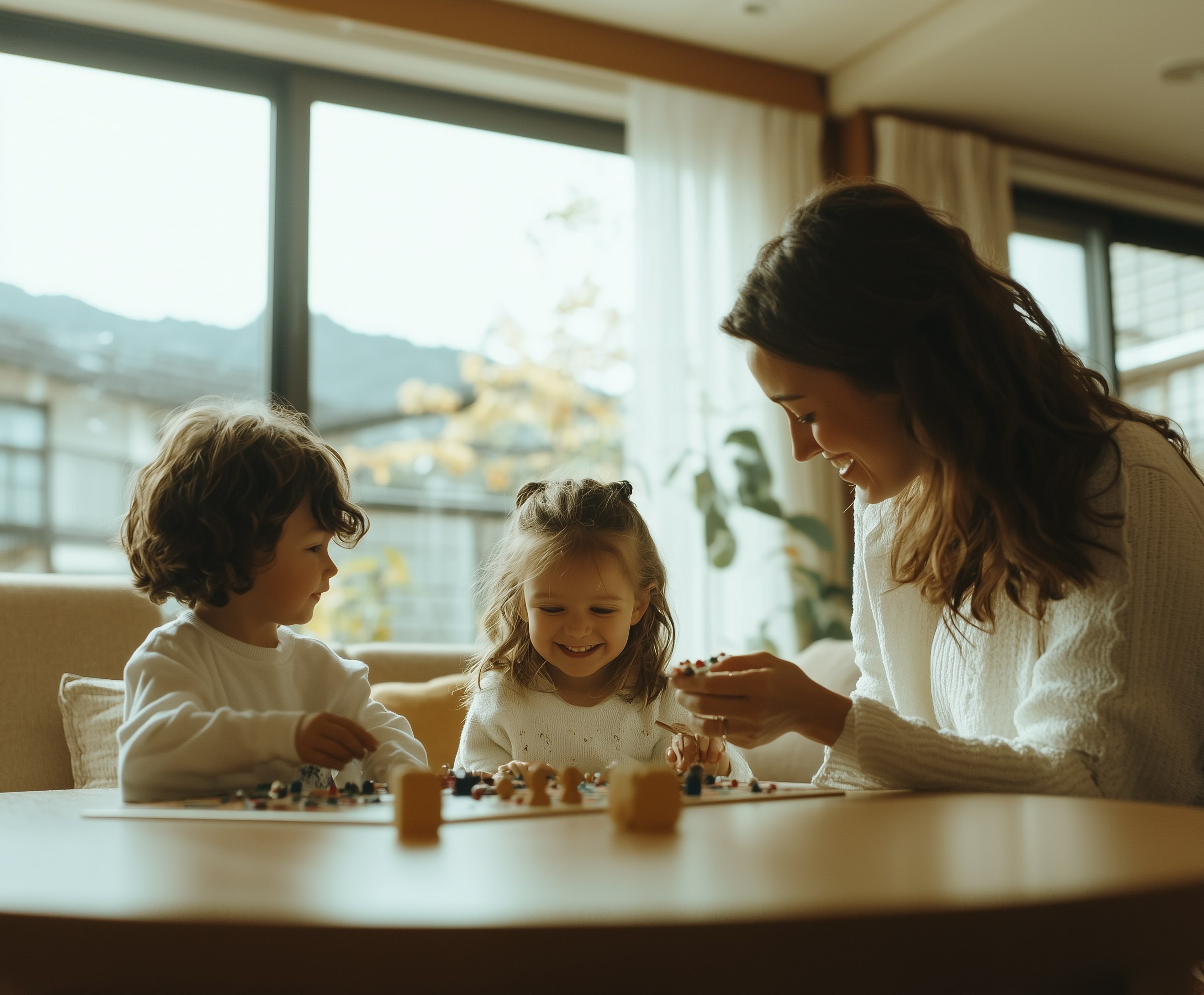
Five years later our bucket list tradition remains but the intention behind it has changed. It is no longer a strategy to prevent learning loss. Instead, I see it as a collection of possibilities shaped by my children' s interests and our family’s capacity. Some days we explore. Some days we rest. We follow curiosity, embrace wonder and make space for connection in ways the school year rarely offers. And this, to me, is the way to curate a wonder-full summer.
Suggestions to curating your own wonder-full summer:
- Co-design the summer
Invite children into the conversation about how they want to spend their time together this summer. Giving them a voice fosters autonomy, cooperation and excitement while reinforcing the family expectations around shared time and experiences.
- Redefine productivity and measures of success
Release the pressure around what “counts” as productivity. After dinner walks, reading together, listening to music, demonstrates the value of rest and engagement in activities for joy rather than measurable outcomes. It is less about qualifying what is “good use” of time rather modelling the value of creating space and time for what we enjoy each day.
- Follow curiosities and embrace wonder
Often the most authentic learning happens within ordinary moments that are sparked by curiosity. Follow their leads without an agenda, a lesson or a problem to solve; entertain their seemingly random and outrageous questions, notice and discover together in a more authentic human experience.
- Use visuals to support new summer routines and expectations
Calendars, visual schedules, bucket lists visually help to communicate new routines, preparing the family with clear expectations. It reduces anxiety, supports transitions and often contributes to better time management. There is flexibility in this as a strategy rather than a rigidity in structuring the most perfect days.
I wish you the most wonder-full summer filled with sunshine, connection, laughter and popsicles.
- Bree
About the Author
Bree Crone, M.Ed, is Fledge's Content & Curriculum Specialist, leading curriculum development and community programming for the platform. She brings together a background in Child Studies, a Masters of Education from UBC, child-specific yoga training, early intervention experience, and expertise in social-emotional learning- combining clinical and educational grounding to shape the Brain-Body-Breathe curriculum children and educators use every day. She's also mum to three wonderful kids of her own so speaks from both personal and professional experience.